

QAND: Sharjah takes on 'Dubai chocolate' with premium sweets brand
Its organic ingredients shape premium Emirati confectionery identity
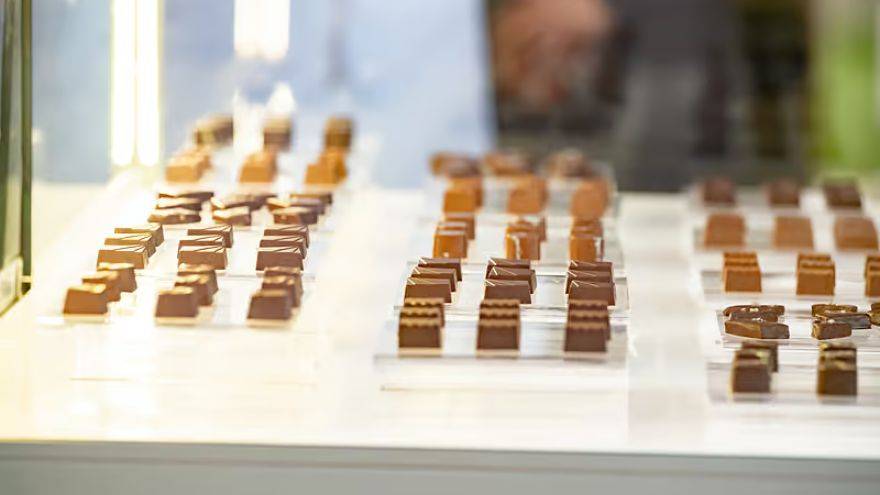
DUBAI – Sharjah has entered the UAE’s fast-growing premium confectionery space with the launch of QAND, a luxury chocolate and sweets brand positioned to rival the hugely popular “Dubai Chocolate” phenomenon.
The brand was unveiled by His Highness Sheikh Dr Sultan bin Mohammed Al Qasimi, Ruler od Sharjah, during the fourth wheat harvest ceremony at the Mleiha farm, marking a significant step in the emirate’s wider push to transform agricultural output into high-value consumer products. Officials framed the move as both an economic and cultural milestone, linking food production with identity, sustainability and global reach.
The debut of QAND comes at a time when locally inspired chocolate products are gaining traction across the UAE, with Dubai Chocolate already establishing itself as a standout success story. Sharjah’s new offering aims to build on that momentum while presenting a distinct proposition rooted in organic farming and Emirati heritage.
QAND
Authorities said QAND will focus on premium chocolates and confectionery made using organic ingredients sourced from Sharjah’s “Iktifa” ecosystem. This integrated agricultural model includes wheat, dairy, poultry, fruits and vegetables, forming the backbone of the emirate’s food security strategy.
The brand is designed as a global Emirati product, reflecting Sharjah’s identity through flavour, quality and sourcing. Officials described it as more than a commercial venture, positioning it as a cultural initiative that communicates the emirate’s values through food. By transforming locally grown ingredients into luxury products, Sharjah aims to strengthen its presence in international markets while reinforcing domestic production capabilities.
QAND’s concept is also tied to a broader narrative of health and sustainability. Sheikh Sultan emphasised the importance of natural food production, warning that many modern illnesses are linked to chemically processed food and additives. The focus on organic ingredients is therefore central to both the brand’s identity and the emirate’s long-term agricultural vision.
Local flavours
Early details indicate that QAND will introduce innovative flavour combinations based on local resources. Among the proposed varieties is a pumpkin chocolate bite made with Mleiha milk, filled with a blend of dates and pumpkin, and enhanced with almonds, cardamom and saffron before being coated in premium Belgian chocolate.
Another concept features honeycomb sourced from Al Faya, combined with sea salt and encased in dark Belgian chocolate, offering a balance of sweetness and texture. These initial creations were developed in collaboration with a specialised French institute, with early feedback highlighting their ability to combine premium taste with high health standards.
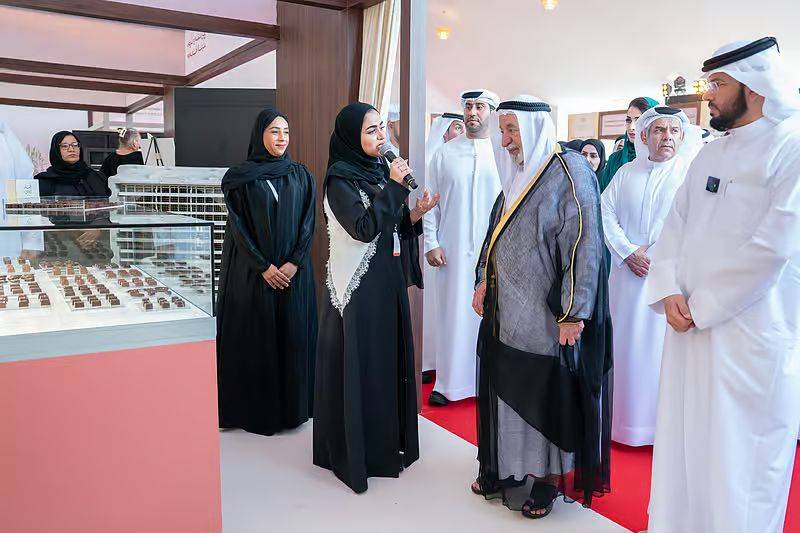
The use of ingredients such as dates, honey and milk underscores Sharjah’s strategy of leveraging its agricultural output to create distinctive, high-end products. This approach also aligns with global trends favouring organic and sustainably sourced foods.
The name “QAND” itself carries historical significance. Derived from an ancient term for crystallised sugar, the word traces linguistic roots from Sanskrit to Persian and later Arabic, eventually influencing the English word “candy”. Officials noted that the name reflects both sweetness and a long tradition of trade and cultural exchange.
Farm strategy
The launch of QAND is closely tied to Sharjah’s broader investment in agriculture and food security. The emirate has been expanding its capabilities in farming and production, aiming to reduce reliance on imports while building a resilient domestic supply chain.
Sheikh Sultan revealed that 580 farmers have already benefited from a wheat seed distribution initiative overseen by the Department of Agriculture and Livestock. The programme is part of a wider effort to support growers, enhance productivity and strengthen food resilience across the UAE.
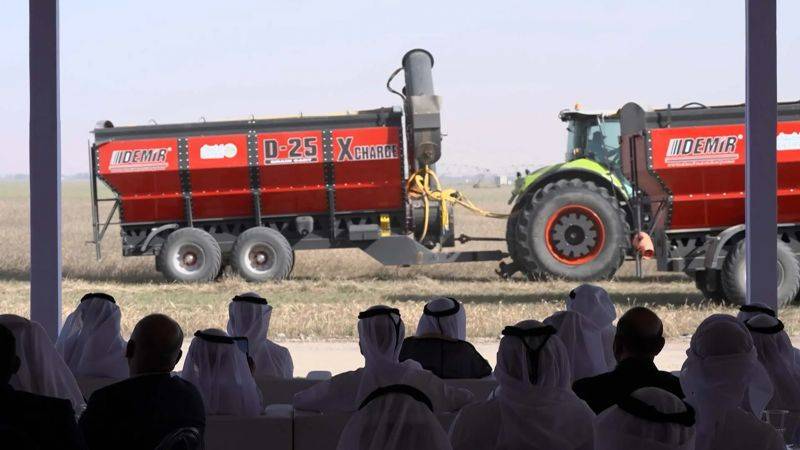
Plans are also underway to establish an additional wheat farm with specifications similar to the existing “Sabaa Sanabel” project. This expansion is expected to double production capacity and open new opportunities for export, reinforcing Sharjah’s ambitions to compete in global agricultural markets.
The emirate’s integrated model now spans multiple sectors, including dairy production, poultry farming and crop cultivation. Projects such as the Mleiha Dairy initiative and Fili poultry farm contribute to a system designed to deliver high-quality, natural products at scale.
Tech platform
Alongside the QAND launch, Sharjah introduced “Mazraaty”, a digital platform aimed at supporting farmers and livestock breeders. The system allows users to access government services electronically, reducing administrative burdens and improving efficiency.
Mazraaty incorporates advanced technologies such as thermal imaging and data analysis tools to monitor crop health. The platform generates regular reports and early alerts, enabling farmers to respond quickly to potential issues and make informed decisions.
Officials described the platform as a key component of Sharjah’s digital transformation strategy, linking traditional agriculture with modern innovation. It is expected to enhance productivity while promoting sustainable practices across the sector.
A major highlight of the event was the presentation of locally developed “nano clay” technology. Designed to improve soil fertility and water retention, the innovation has shown promising results in increasing crop yields, particularly in arid environments. Tests indicated that locally produced nano clay performed slightly better than bentonite clay under water stress conditions, suggesting strong potential for wider adoption.
The ceremony also showcased research projects from universities and student groups, focusing on areas such as desertification, wheat improvement and smart agriculture.